

 See My Latest Article on HelloNation
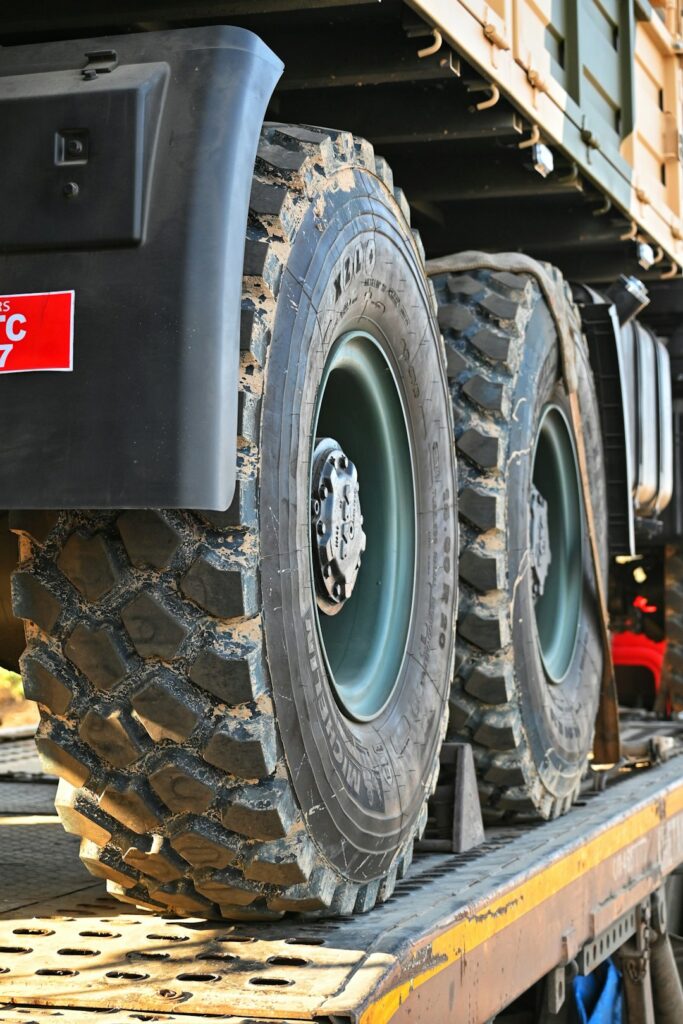
Retread tires can be a safe option for commercial trucks when the original casing is sound, the retreading process is properly controlled, and the tire is matched to the vehicle’s load, route, and position. Safety depends less on whether a tire is new or retreaded and more on casing condition, inspection, inflation, installation, and ongoing maintenance.
For fleet operators and independent truck owners in Rochester, NY, that distinction matters. Commercial vehicles may face potholes, road salt, freezing temperatures, spring thaw, wet pavement, and frequent stop-and-go driving. Those conditions can expose weaknesses in any tire, whether new or retreaded.
What is a retread tire?
A retread tire is a used commercial tire casing that receives a new tread. The casing is the tire’s structural body, including the sidewalls, inner liner, bead area, and steel belts. The worn tread is removed, the casing is inspected and prepared, and a replacement tread is bonded and cured to it.
A proper retread process generally includes:
- Initial inspection for structural damage
- Removal of the old tread
- Buffing and preparation of the casing
- Repair of approved injuries
- Application of new tread rubber
- Curing or bonding
- Final inspection and identification marking
The casing must pass inspection before it is accepted. A tire that has been severely overloaded, run while underinflated, exposed to damaging chemicals, or injured in the sidewall or bead area may not be suitable for retreading.
Are retread tires as safe as new commercial tires?
A well-made retread can provide dependable service, but it is not automatically safe simply because new tread has been installed. The casing and the quality-control process are central to performance.
Commercial truck tires are designed to carry substantial loads over long distances. If the casing has hidden damage, the new tread cannot correct that underlying problem. For this reason, reputable retreading practices rely on detailed inspection, measurement, repair limits, and final testing.
A retread should be considered a manufactured tire, not merely a used tire with rubber added. Its serviceability depends on the condition of the casing, the tread design, the application, and the maintenance program supporting it.
Why do some commercial fleets use retreads?
Retreads are common in commercial trucking because a durable casing may be capable of receiving more than one tread during its useful life. Reusing that casing can reduce material consumption and lower the cost per mile when the tire is properly managed.
Other potential benefits include:
- Less demand for raw materials than producing a completely new tire
- Reduced tire disposal volume
- Availability of tread patterns suited to highway, regional, urban, or mixed service
- Lower operating cost for fleets that track casing performance carefully
These advantages do not make every casing a good candidate. A low-quality or damaged casing can create more problems than it solves.
Are retreads legal on commercial trucks?
Federal motor-carrier rules generally allow retreaded tires on commercial trucks and trailers when the tires meet applicable equipment, condition, load, and maintenance requirements. The main federal restriction commonly associated with retreads concerns buses: retreaded tires may not be used on the front wheels of certain buses operating under federal motor-carrier rules.
That restriction should not be confused with a general ban on retreads for trucks. A commercial truck’s steering axle, drive axle, and trailer positions must still be evaluated according to tire condition, load rating, vehicle design, manufacturer guidance, and operating conditions.
Tire identification and recordkeeping requirements also matter. A retread sold for use in the United States generally needs an appropriate tire identification marking so it can be traced if a defect or recall issue arises.
What makes a retread tire unsafe?
The most serious risks usually involve casing damage, improper inflation, overloading, poor matching, or delayed inspection. Warning signs include:
- Tread separation, bulges, or exposed cords
- Deep cuts, sidewall cracking, or impact damage
- A loose or damaged bead
- Repeated air loss
- Irregular wear that suggests an alignment, suspension, or balance problem
- Evidence that the tire was driven while flat or severely underinflated
- Heat damage from excessive speed, heavy loads, or insufficient inflation
- Mismatched tires in a dual-tire position

A casing that has been run underinflated may suffer internal damage that is not visible from the outside. Simply adding air does not reverse that damage. If a tire has carried excessive weight or operated with very low pressure, it should be removed and evaluated before it is returned to service.
How should retread tires be maintained?
Maintenance is one of the strongest predictors of retread performance. Commercial operators should establish a routine that includes pressure checks, tread inspections, valve inspection, and review of irregular wear.
Cold inflation pressure should be checked with a reliable gauge rather than estimated by appearance. A tire can look acceptable while carrying too little air for its load. Underinflation increases heat buildup, flexing, rolling resistance, and the risk of casing damage.
Drivers should also inspect tires after striking potholes, curbs, debris, or rough pavement. This is particularly relevant during Rochester winters and the spring period when freeze-thaw cycles can worsen pavement damage.
Dual tires require special attention. If one tire loses pressure, its companion may temporarily carry more than its intended share of the load. Both tires should be inspected, not only the visibly flat tire.
Are retreads suitable for every truck position?
No. Tire position should be selected based on the vehicle, operating conditions, tread design, casing history, and applicable regulations. A tread pattern designed for long-haul highway use may not be appropriate for repeated turning, construction access roads, refuse collection, or heavy regional delivery work.
Steering, drive, and trailer axles place different demands on tires. A fleet may use retreads successfully in one position while choosing new tires or different casings in another. The decision should account for axle loads, average speed, mileage, braking demands, road surfaces, and seasonal conditions.
What should buyers and operators check?
Before placing a retreaded commercial tire into service, verify that:
- The tire has clear identification markings
- The casing has no visible structural damage
- The load and inflation ratings fit the axle and vehicle
- The tread depth and pattern suit the intended work
- The tire is not excessively aged, cracked, or irregularly worn
- The tire is properly mounted and balanced
- The wheel, valve, and rim are in serviceable condition
- Maintenance records identify pressure checks, repairs, and removals
A tire with an unknown history deserves caution. Documentation about casing inspection, retread date, repairs, and prior service can help operators make a more informed decision.
Retread tires are not inherently unsafe, and new tires are not immune to failure. For commercial trucks, safety comes from using a suitable casing, applying a quality retread process, matching the tire to its job, maintaining correct inflation, and removing damaged tires promptly. Those principles are especially valuable in a community where winter weather, road wear, and heavy commercial travel can place demanding conditions on truck equipment.