

 See My Latest Article on HelloNation
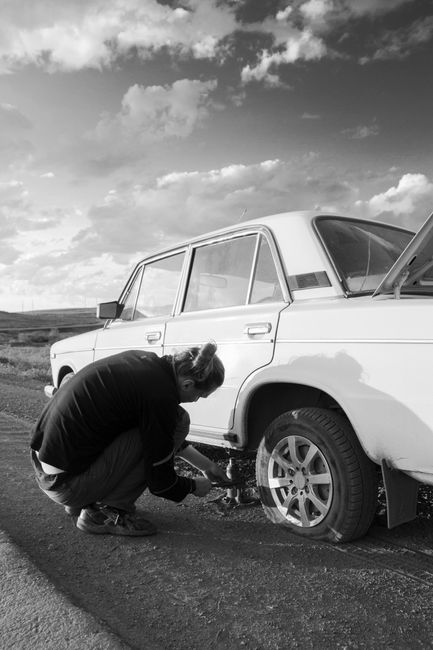
What Does Tire Failure Look and Feel Like?
Tire failure on the road is rarely subtle. Drivers usually notice a sudden loud noise, a vibration, or a strong pull in one direction. Commercial vehicles in Rochester, NY, often carry heavier loads and travel on busy expressways and local streets, so any sudden change in vehicle stability is worth immediate attention. Signs of tire failure include:
- A booming "bang" or "pop" sound, often followed by a flapping noise
- Loss of air pressure felt as heavy steering or a sluggish wheel
- Noticeable drop in ride height on one side
- Sudden shift in tracking, making the vehicle veer or become unstable
Misinterpreting these signs can lead to delayed reactions, so it's helpful to familiarize yourself with your vehicle’s normal behavior. Practice periodic checks before leaving, especially in winter or during the freeze-thaw cycles that frequently affect Rochester’s road surfaces.
What Should I Do Immediately if a Tire Fails While Driving?
If a tire fails, staying calm and controlled is the priority. Do not slam the brakes. Instead, firmly grip the steering wheel, keep the vehicle straight, and gently ease off the gas. Rochester's climate means you may also have to account for wet, icy, or uneven pavement, especially in winter and spring.
Here's what to do:
- Hold the wheel with both hands and keep your vehicle as straight as possible.
- Gradually decelerate by lifting your foot from the accelerator.
- Avoid sharp steering or sudden maneuvers.
- Signal and steer toward the shoulder or a safe area off the roadway.
- Once stopped, engage the hazard lights so other drivers are alerted.
Many area roads can be narrow or have limited shoulders. If possible, choose an exit or a well-lit, level area away from curves and intersections.
Is It Safe to Change a Tire on the Shoulder in Rochester?
Stopping on the shoulder is not always safe. Traffic volume, weather, and road design in Rochester create varying risk levels. High-traffic parkways and lake-effect snow can make roadside repairs hazardous.
Before attempting to exit your vehicle:
- Survey your surroundings and only leave the vehicle if you are well away from traffic.
- If you are on an elevated road, bridge, or curve, stay inside and call for municipal assistance or law enforcement.
- Use reflective triangles or flares when visibility is low or at night.
Rochester’s winters are especially harsh on shoulders and embankments. Deep snow, salted slush, or ice can make footing treacherous and access to your tools difficult. In those situations, waiting for professional help is the safest approach.
What Should I Check Before Attempting a Tire Change?
Once you’ve moved to safety and assessed the area, check:
- The stability of your stopped vehicle (flat, solid surface is safest)
- Accessibility of your spare tire, jack, and necessary tools
- Local traffic and weather conditions that could pose added danger
Many commercial vehicles have specific procedures for jack placement due to their higher weight and wheel size. In winter, ensure your equipment isn’t frozen or blocked by ice or mud. If anything seems unsafe—such as heavy truck traffic, low visibility, or unclear instructions—wait inside the cab with hazards on and all doors locked.
When Is Professional or Emergency Assistance Necessary?
For most heavy vehicles or during severe Rochester weather, professional assistance is the safest option. Seek emergency help if:
- You cannot safely reach the vehicle’s tools or tire
- Multiple tires are damaged or the vehicle is unstable
- You are stopped on a high-speed road or visibility is poor due to rain, fog, or snow
- Wheel/tire damage blocks movement or causes a loss of control
Calling municipal road crews or local emergency services is appropriate in unsafe situations. They can help manage traffic, provide lighting, or tow the vehicle to a safer location.
What if a Tire Fails on a Rochester Overpass or Highway?
Experiencing tire failure on bridges, tunnels, or major expressways requires added caution. In Rochester, many major routes have narrow lanes and limited shoulders. If possible:
- Proceed to the nearest approved pullover area or exit ramp before stopping
- If immediate stopping is necessary, stay in the vehicle, keep seatbelts fastened, and turn on all available hazard lights
Especially during peak travel times or icy conditions, moving beyond the traveled lanes is often the best way to avoid further accidents.
How Can Tire Failure Be Prevented in This Region?
Consistent tire inspections are the best defense, especially given Rochester's temperature swings, salt use, and pothole prevalence. Before commercial operation:
- Use a gauge to check tire pressure, adjusting for seasonal changes
- Inspect for damage after storms, ice, or construction detours
- Look for abnormal wear, sidewall cracks, or embedded debris
Cold snaps and rapid thaws increase the chance of pressure loss, and the city’s rough winter roads make vigilance essential year-round.
How Long Is It Safe to Drive on a Damaged or Flat Tire?
Driving on a flat, shredded, or otherwise injured tire risks permanent wheel damage and can create hazards for other drivers. In nearly all cases, only move the vehicle the shortest possible distance to reach safety. Attempting to “limp” to a service location on a flat tire often does more harm than good and can lead to secondary accidents.
Taking a few minutes to check the safety of roadside conditions, vehicle stability, and traffic can protect both you and other residents. In Rochester, prioritizing caution and clear-headed action helps ensure that tire failures are managed with minimal disruption and risk.