

 See My Latest Article on HelloNation
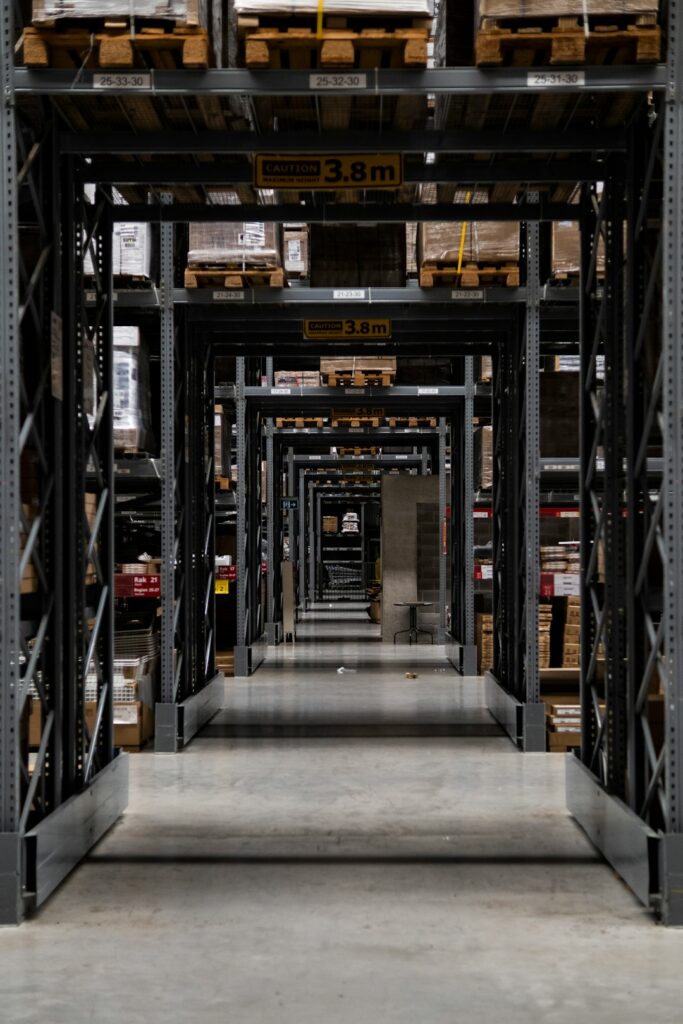
Commercial tires can remain usable during seasonal downtime or equipment storage, but only if they are protected from heat, sunlight, moisture, chemicals, and physical distortion. Proper storage also makes it easier to identify tire age, location, and condition before the tires return to service.
Where should commercial tires be stored?
The best storage location is a clean, dry, enclosed area with moderate temperatures and good ventilation. A garage, warehouse, or covered storage room is generally more suitable than an outdoor lot.
In Rochester, NY, storage areas may experience wide seasonal changes, including freezing temperatures, summer heat, damp spring conditions, and snow-related moisture. Tires should not sit directly on wet concrete, bare soil, or areas where melting snow can collect.
Choose a location that is:
- Protected from direct sunlight and weather
- Away from furnaces, heaters, boilers, and hot pipes
- Free from gasoline, diesel fuel, oil, grease, solvents, and battery chemicals
- Separate from welding areas, electric motors, generators, and equipment that produces sparks or ozone
- Clear of sharp tools, metal edges, and heavy objects that could damage the sidewalls
- Well ventilated but not exposed to strong drafts carrying dust or chemical vapors
A storage building does not need to be heated like living space. The main goal is to avoid extreme heat, repeated temperature swings, standing water, and prolonged exposure to freezing moisture.
Should commercial tires be stored standing up or stacked?
Unmounted commercial tires are generally best stored upright in a rack or arranged vertically in a stable row. This helps reduce distortion and makes individual tires easier to inspect and remove.
If tires must be stacked horizontally, keep the stack stable and avoid excessive height. Heavy truck and bus tires can be difficult to move safely, and an unstable stack can fall or place uneven pressure on the bottom tire.
For mounted tire-and-wheel assemblies, the storage method is different. They may be stored horizontally or vertically if the assembly is supported properly and cannot roll, fall, or damage the valve stem. Mounted assemblies should never be left where they can shift into walkways or block emergency access.
Regardless of the method:
- Do not lean tall rows against walls without restraint.
- Do not place heavy equipment on top of tires.
- Do not exceed the storage height recommended by the tire manufacturer.
- Keep aisles clear so tires can be moved without dragging or dropping them.
- Use racks or supports rated for the weight of commercial tires and wheels.
Should tires be covered or placed in plastic bags?
A light, breathable cover can help protect tires from dust and incidental light. A fully sealed plastic bag is not always appropriate, especially in a damp storage area. Trapped moisture can promote corrosion on wheels and keep the tire surface wet for long periods.
If a protective cover is used, the tires should be clean and dry first. The cover should not contain sharp fasteners, and it should not be wrapped so tightly that condensation cannot escape.
Avoid applying tire dressing, petroleum-based products, solvents, or unapproved preservatives before storage. These substances may alter the rubber compound or hide cracking and other signs of deterioration.
What should be done before storing commercial tires?
Inspect and clean the tires before placing them in storage. Removing road grime makes later inspections more reliable and helps reveal cuts, bulges, embedded objects, or irregular wear.
A practical preparation routine includes:
1. Wash off mud, salt residue, and loose debris with mild soap and water.
2. Allow the tire to dry completely.
3. Inspect the tread, sidewalls, bead area, and valve stem.
4. Record the tire identification number, size, position, and storage date.
5. Mark whether the tire is intended for a steer, drive, trailer, or other approved position.
6. Store the oldest usable tires where they will be selected first.
Do not reduce inflation pressure simply because a tire is being stored. Mounted tires should remain at the pressure specified for the vehicle or application unless the manufacturer provides different instructions. Before returning a tire to service, pressure should be checked with a reliable gauge.

How should tires be protected during a Rochester winter?
Cold temperatures alone do not automatically ruin a commercial tire, but winter storage creates several added risks. Moisture can freeze around the bead or wheel, snow can conceal damage, and road salt can contribute to wheel corrosion.
Keep tires off the floor when possible, using a pallet, rack, or other clean support. The support should be level and strong enough to prevent sagging or tipping. Do not store tires where roof leaks, ice dams, or melting snow can reach them.
An unheated building may be acceptable if it remains dry and protected from sunlight. Avoid moving a tire immediately from very cold storage into a warm work area and mounting it while the rubber is still stiff. Allow it to reach room temperature before inspection, handling, or installation.
How often should stored tires be inspected?
Stored commercial tires should be checked periodically rather than left untouched for months. A quick inspection can identify water intrusion, changes in position, falling covers, sidewall damage, or contact with chemicals.
During each inspection, look for:
- Cracks, cuts, bulges, or unusual flattening
- Oil, fuel, solvent, or chemical contamination
- Evidence of rodents or sharp-object damage
- Moisture trapped beneath covers
- Corrosion on mounted wheels
- Unsafe leaning, shifting, or overloading of stacks
- Tires that have become difficult to identify or trace
Rotate inventory so the tires stored longest are used first, provided they still meet the applicable condition, age, and service requirements. Storage does not stop rubber from aging, so the manufacturing date and overall condition remain relevant even when a tire has never been mounted.
When should a stored tire not be put back into service?
A tire should not return to service simply because it looks clean or still has tread depth. Reject tires with serious sidewall cracks, exposed cords, bulges, bead damage, severe flat spotting, chemical swelling, or signs of overheating.
A tire that has been contaminated by petroleum products may require removal even if the damage is not immediately obvious. Tires with an uncertain history, missing identification, or questionable repairs also require careful evaluation before use.
Commercial tires carry heavy loads and may operate at high pressures. If a stored tire shows structural damage, has been exposed to hazardous conditions, or is being considered for a demanding application, a qualified tire inspector should determine whether it is safe. Mounting and inflating large assemblies should also follow proper restraining and handling procedures.
Good storage is mostly about controlling the environment and maintaining accurate records. A dry, shaded, clean location, stable support, reasonable stacking, and regular inspection can prevent many problems before the tires are needed again.