

 See My Latest Article on HelloNation
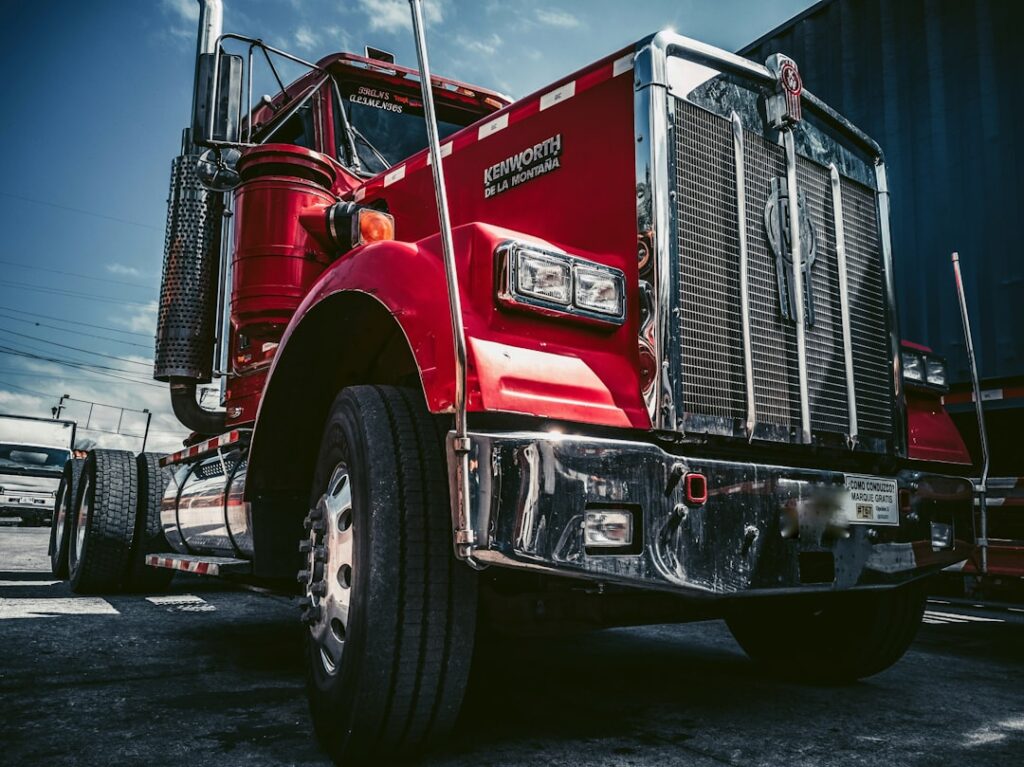
What Makes Commercial Truck Tires Different Than Regular Tires?
Commercial truck tires are specifically engineered to handle heavier loads, longer hours on the road, and a wide variety of surfaces compared to passenger vehicle tires. The construction, tread patterns, and even the rubber compounds are adapted for the complex demands of trucks operating in and around Rochester, NY—whether that's within city limits, on highways, or facing the region’s changing seasons.
Truck tires are built with reinforced sidewalls, deeper treads, and often multi-layered steel belts for extra durability. These adaptations are especially important for operations during harsh winters, navigating road salt, and coping with the freeze-and-thaw cycles so familiar to area residents.
What Are the Main Types of Commercial Truck Tires Used Locally?
The primary tire types found on commercial trucks in the city include steer, drive, trailer, and all-position tires. Each fills a different role and is chosen based on the truck's configuration and typical routes.
- Steer Tires: Mounted on the front axle, these control direction and influence handling. They have straight rib tread patterns for precise steering on both highways and local streets.
- Drive Tires: Placed on powered axles, these provide traction for acceleration and braking. Their deeper, lug-type treads excel in challenging local winter weather, helping trucks grip snowy or slushy surfaces.
- Trailer Tires: These are on the axles of the trailer, carrying heavy loads but not providing traction. Trailer tires are optimized for even wear while supporting substantial weight—a frequent requirement for trucks servicing local businesses and distribution centers.
- All-Position Tires: Sometimes chosen for versatility, these can be used on any axle. They offer a middle ground for trucks that operate in both regional and urban environments.
Making the right selection depends on the vehicle’s route, load type, and whether city or highway driving is more common—a crucial consideration in the Rochester area, where routes may shift quickly from urban stop-and-go to regional highways.
How Does the Seasonal Climate Affect Truck Tire Choice?
Changing temperatures and weather patterns—especially winter conditions—play a major role in the type of commercial tires best suited for the area. Winter brings icy roads, snow accumulation, and repeated freeze-thaw cycles, all of which affect tire performance and lifespan.
Local operators commonly opt for:
- All-weather or winter-rated drive tires: These feature deeper sipes and softer compounds for enhanced grip in cold, icy conditions.
- Extra-durable casings: Designed to withstand potholes, road salt, and rough pavement after plowing.
Tire maintenance protocols also shift seasonally. Regular inspections for cracks, pressure drops, or salt-related damage are more frequent. It's common practice for trucks doing significant winter mileage in the city to use tires with more aggressive tread patterns until spring.
What Are Some Common Misconceptions About Commercial Truck Tires?
Several myths circulate locally about the best tire performance in the city’s conditions:
- *Myth:* All heavy-duty tires are the same.
*Fact:* Tire selection must match specific tasks and seasons. For example, using drive tires on a steer axle or choosing a summer compound in January can reduce both safety and efficiency.
- *Myth:* Deeper tread always means better winter traction.
*Fact:* Tread pattern, rubber composition, and siping are equally important. Excessively deep treads can sometimes reduce contact area and actually worsen grip on icy roads common in this area.
- *Myth:* Retreaded tires are unsafe in cold climates.
*Fact:* Properly retreaded tires, following local and federal guidelines, are commonly used by local fleets and can perform reliably—especially on trailer axles.
Understanding these distinctions can prevent equipment downtime for local businesses, reduce the risk of tire blowouts, and improve overall safety for everyone on the road.

How Should Local Commercial Operators Maintain Their Tires?
Routine checks are essential due to fluctuating temperatures and infrastructure stress, especially throughout freeze-thaw cycles and when salt and grit are prevalent on the roads. A practical routine includes:
- Inspecting tire pressure at least weekly, as temperature swings can cause rapid pressure changes.
- Checking for uneven wear, bulges, or sidewall damage after severe winter storms or long highway trips.
- Rotating tires based on manufacturer guidance and local driving patterns.
- Ensuring tires are kept clean during winter to minimize corrosive effects of salt and chemicals.
Proper documentation of tire checks and timely adjustments based on weather changes are habits found among experienced local operators.
What Are the Practical Considerations for Tire Selection in Daily Use?
Selecting the right commercial truck tire in the city is a matter of evaluating real-world needs, rather than just following manufacturer labels. Key points include:
- Load weight and distribution: Area haulers moving construction equipment may need tires designed for heavy loads across longer distances, whereas local delivery trucks running frequent stops require tires built for urban wear and tear.
- Average daily mileage: Trucks covering mostly urban territory as opposed to interstate routes benefit from tire designs that resist scrubbing from tight turns.
- Local regulations and inspection standards: Meeting legal requirements for tread depth and maintenance, as mandated by state and municipal authorities.
- Access to tire service and repairs: Quick local availability of compatible tires or retreads can influence fleet decisions, as interruptions in supply during peak winter periods can keep vehicles off the road longer.
What Should Residents Know About Tire Recycling and Disposal?
Commercial tires require responsible disposal due to their size and the materials used in their construction. Local recycling programs accept used truck tires, which can then be repurposed for applications such as road construction material, playground surfaces, or erosion control.
Awareness of proper disposal sites and compliance with local guidelines avoids illegal dumping and supports community environmental goals.