

 See My Latest Article on HelloNation
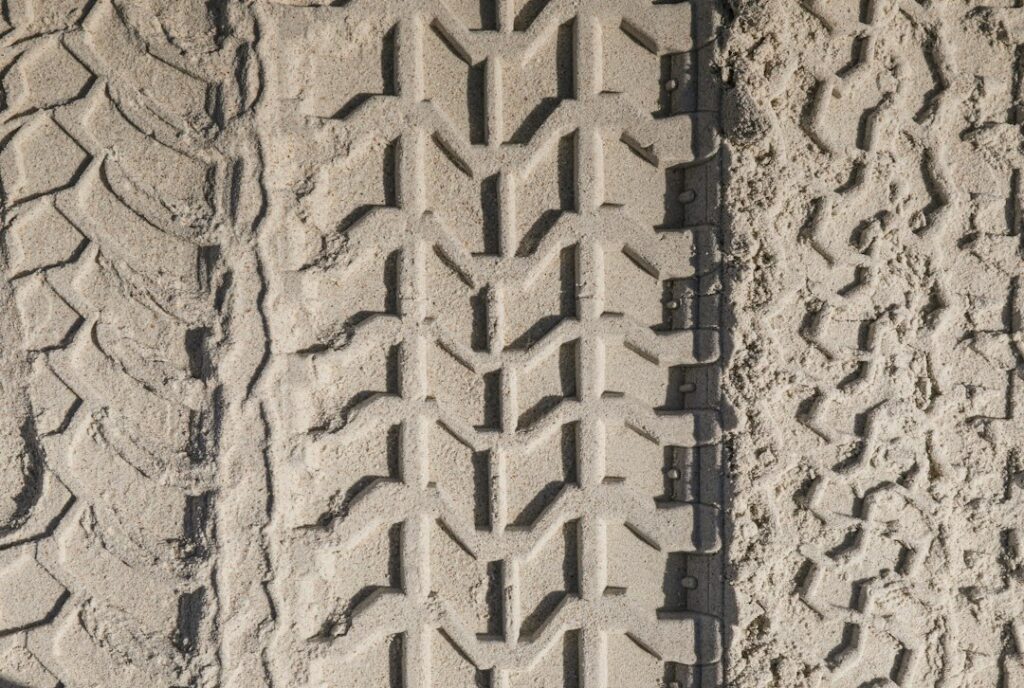
Commercial vehicles often show tire wear patterns that reveal problems before a breakdown occurs. Uneven wear may result from incorrect inflation, alignment issues, worn suspension parts, overloading, aggressive cornering, or operating conditions such as frequent stops and rough pavement.
For drivers and fleet operators in Rochester, NY, seasonal temperature changes, potholes, road salt, and repeated winter driving can make regular tire inspections especially useful. Recognizing the wear pattern is often the first step toward identifying the underlying cause.
What does uneven tire wear look like?
Uneven wear means the tread is not wearing at the same rate across the tire or around its circumference. A tire may appear acceptable at a glance while developing a significant problem in one section.
Common patterns include:
- Wear on both shoulders: The outer edges are more worn than the center.
- Wear in the center: The middle of the tread is smoother than both shoulders.
- Wear on one edge: One side of the tread is wearing faster than the other.
- Cupping or scalloping: Small dips or cups appear at regular intervals around the tread.
- Diagonal or feathered wear: Tread blocks feel smooth in one direction and sharp in the other.
- Flat spots: One section of the tire has lost tread after hard braking, locking, or a mechanical problem.
- Localized bald areas: A small section has worn much faster than the rest of the tire.
The pattern matters because different problems create different types of wear. A tire should not be judged only by its remaining tread depth; the condition and shape of that tread are also important.
What causes commercial tires to wear unevenly?
The most common cause is incorrect air pressure. Underinflation can increase wear along both shoulders, create excess heat, and reduce fuel efficiency. Overinflation may wear the center of the tread more quickly and reduce the amount of tread contacting the pavement.
Alignment problems often create wear along one edge or produce a feathered pattern. A vehicle may still track reasonably well even when its alignment is outside the preferred range. Signs can include a steering wheel that is not centered, pulling to one side, or a noticeable difference in wear between tires on the same axle.
Suspension and steering components can also affect tread life. Worn shocks, loose wheel bearings, damaged bushings, bent parts, or movement in the steering system may cause cupping, scalloping, or irregular wear. Installing a new tire without correcting the mechanical problem can lead to the same damage on the replacement.
Other causes include:
- Carrying loads above the vehicle’s rated capacity
- Unevenly distributed cargo
- Mismatched tires on the same axle
- Improper wheel torque
- Frequent hard braking
- Tight turns in loading areas
- Repeated curb strikes
- Long periods of idling or low-speed maneuvering
- Improper tire rotation practices
Commercial vehicles often operate under more demanding conditions than passenger vehicles. Delivery routes, construction access roads, stop-and-go traffic, and frequent loading can all increase stress on the tires.
How should a driver respond after noticing unusual wear?
The vehicle should be inspected before the condition becomes severe. Start by checking all tires on the vehicle, including inside dual tires, because a damaged or underinflated inner tire may be difficult to see.
Record the following:
- Which tire is affected
- Where the wear appears
- Whether the pattern is repeated on the same axle
- Current inflation pressure
- Approximate load carried
- Recent impacts, hard braking, or suspension work
- Whether the vehicle pulls, vibrates, or handles differently

If a tire has exposed cords, deep cuts, a bulge, severe cracking, a flat spot, or very low pressure, continued operation may be unsafe. A tire with structural damage should not be treated as a simple rotation or inflation issue.
Tire pressure should be checked with a reliable gauge when the tires are cold, preferably before the vehicle has been driven for the day. Pressure recommendations should come from the vehicle or tire manufacturer’s specifications, not from the maximum pressure molded into the tire sidewall. The sidewall number is generally the tire’s maximum rated pressure, not necessarily the correct operating pressure for the vehicle.
Can uneven wear be fixed by rotating the tires?
Rotation can help when the wear is mild and the tires are otherwise sound, but it does not correct the original cause. Moving a tire to another position may slow future wear, yet an alignment problem, pressure error, or worn suspension component will continue affecting the vehicle.
Rotation patterns depend on the tire type, axle arrangement, tread design, and whether the tires are directional or have specific mounting requirements. Commercial vehicles with dual assemblies require additional care because the paired tires should have compatible sizes, tread conditions, and inflation levels.
A tire that has developed severe cupping, a pronounced flat spot, or major shoulder wear may not return to normal even after the mechanical issue is repaired. In some cases, the remaining tread is unsuitable for continued service.
How do Rochester road and weather conditions affect tire wear?
Winter conditions can change tire pressure because air pressure decreases as temperatures fall. A vehicle that had acceptable pressure during warmer weather may be underinflated during a cold morning. Pressure can also rise after extended driving, so checking tires immediately after operation may give a misleading reading.
Potholes, patched pavement, frost heaves, and curb impacts can affect alignment and suspension parts. Road salt and winter moisture may also contribute to corrosion around wheels, fasteners, and mechanical components. These issues are not always visible during a quick walk-around inspection.
Vehicles that operate on tightly scheduled urban routes may experience additional wear from repeated braking, turning, and acceleration. Trucks and vans that move between paved roads, loading areas, alleys, and unpaved surfaces may develop different wear patterns than vehicles used mainly for highway travel.
How often should commercial tires be inspected?
A walk-around inspection should be performed before daily operation, with closer inspections at regular mileage or service intervals. The inspection should include tread condition, inflation, sidewalls, valve stems, wheel areas, and the condition of dual-tire assemblies.
A more detailed check is appropriate after:
- Striking a pothole or curb
- Carrying an unusually heavy load
- Replacing steering or suspension parts
- Experiencing a vibration or pull
- Noticing a change in fuel economy
- Hearing a new tire or wheel noise
- Driving through severe winter conditions
Tread depth should be measured rather than estimated by appearance. Commercial vehicles may also be subject to inspection requirements based on their use, weight, and operating conditions. Keeping inspection records can help identify whether a problem is isolated or recurring across a vehicle or route.
When is uneven wear a safety concern?
Uneven wear requires prompt attention when it is accompanied by vibration, pulling, steering changes, heat, repeated air loss, exposed cords, sidewall damage, or rapid tread deterioration. These signs may indicate a mechanical or structural problem rather than ordinary tire aging.
A commercial vehicle should not continue operating simply because a portion of the tread still looks usable. Uneven contact with the road can affect braking, wet-weather handling, stability, and the vehicle’s ability to carry its intended load. If the cause is unclear or the tire shows serious damage, inspection by a qualified tire or vehicle technician is warranted before the vehicle returns to regular service.
The most effective approach is to treat tread wear as diagnostic information. The pattern can point toward pressure, alignment, suspension, loading, or driving problems, allowing the underlying issue to be addressed before it affects additional tires or creates a larger safety concern.