

 See My Latest Article on HelloNation
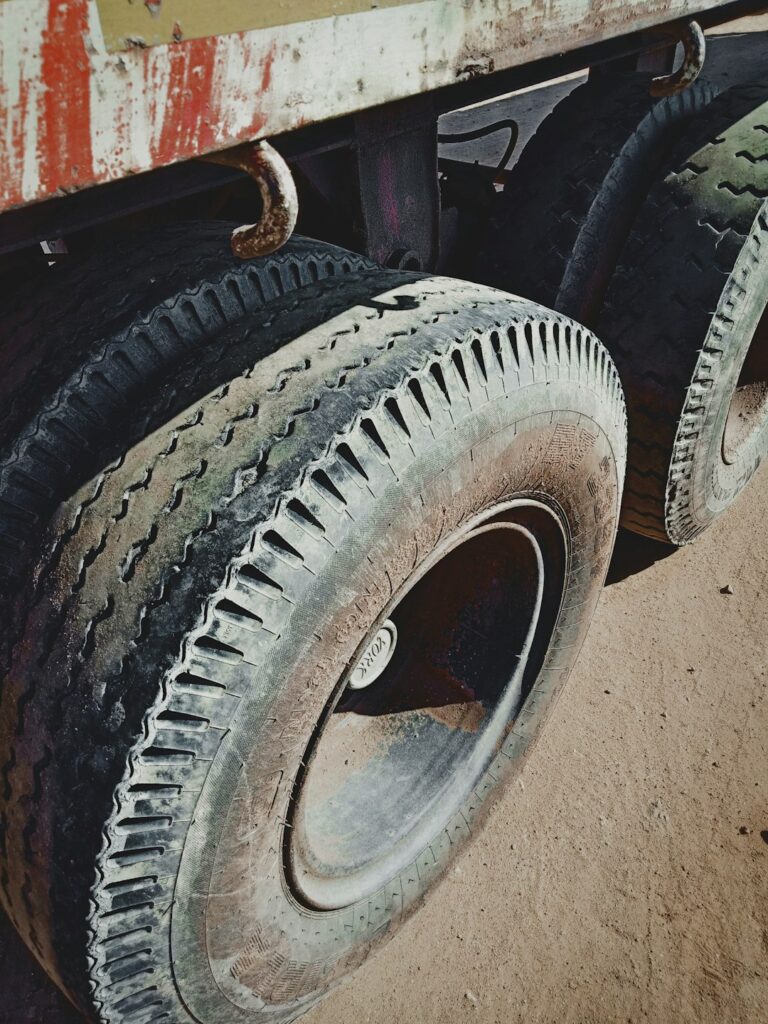
Commercial tires rarely wear out for just one reason. Uneven tread loss, rapid shoulder wear, cupping, cracking, and heat-related damage usually result from several factors working together: inflation, alignment, loading, driving habits, road conditions, and maintenance practices.
For fleets operating in Rochester, seasonal temperature swings, winter road treatments, potholes, construction zones, and frequent stop-and-go driving can make tire wear more difficult to control. A consistent inspection and maintenance routine helps identify small problems before they become expensive or unsafe.
What causes commercial tires to wear unevenly?
Uneven commercial tire wear is most often linked to incorrect air pressure, poor wheel alignment, worn suspension components, overloaded axles, or irregular tire rotation. The tread pattern can provide useful clues about the underlying problem.
Common wear patterns include:
- Worn edges: Often associated with underinflation, although alignment or heavy cornering may also contribute.
- Worn center tread: Frequently caused by overinflation, which reduces the tire’s contact area.
- Wear on one shoulder: May indicate an alignment problem, bent suspension component, or incorrect axle geometry.
- Cupping or scalloping: Usually linked to worn shocks, loose components, imbalance, or poor tire mounting.
- Rapid wear across all tires: May result from excessive speed, overloading, aggressive braking, incorrect tire selection, or consistently low air pressure.
- Diagonal or patchy wear: Can occur when tires are out of balance or when suspension parts are not controlling movement properly.
The tread pattern should not be treated as a diagnosis by itself. A single tire may show several problems at once, especially on vehicles that carry changing loads or travel over rough pavement.
How does proper inflation reduce tire wear?
Correct inflation is one of the most effective ways to protect commercial tires. Air pressure supports the vehicle’s load and controls how much the sidewall flexes. If pressure is too low, the tire bends excessively, creating heat and wearing the shoulders. If pressure is too high, the center tread can wear faster and the tire may have less ability to absorb impacts.
Pressure should be checked with a reliable gauge when the tires are cool, ideally before the vehicle has traveled far. Readings taken immediately after driving may be higher because heat increases the pressure temporarily.
The correct pressure is based on the tire size, tire construction, axle load, and operating conditions. The number molded into the tire sidewall is generally the maximum permitted pressure, not necessarily the correct pressure for every vehicle.
Pressure checks should also account for:
- Temperature changes between summer and winter
- Long periods of highway travel
- Heavy or uneven cargo
- Vehicles that sit unused for extended periods
- Dual-tire assemblies, where pressure differences can create unequal loading
A pressure monitoring system can identify gradual air loss, but it does not replace physical inspections for cuts, embedded objects, valve damage, or sidewall problems.
Why should commercial vehicles receive regular alignment checks?
Alignment affects how the tire meets the road. Even a modest toe, camber, or axle-tracking problem can scrub tread from one side of the tire and shorten its useful life.
Alignment should be checked after a significant pothole impact, curb strike, suspension repair, or steering complaint. Signs of possible alignment trouble include:
- The vehicle pulling to one side
- A steering wheel that is not centered while traveling straight
- Feathered tread blocks
- One-sided shoulder wear
- Tires that continue to wear unevenly despite correct inflation
On trucks and other commercial vehicles, alignment is not limited to the front axle. Rear axle tracking and trailer alignment can also affect tire life. A vehicle may appear to steer normally while still forcing the drive or trailer tires to scrub sideways along the road.
Rough winter pavement and freeze-thaw damage can increase the chance of alignment changes. After a season of repeated impacts, a tire inspection should include the wheels, suspension, steering parts, and axle alignment.
How do loading and cargo placement affect tires?
A commercial tire can be properly inflated and still wear quickly if the vehicle is overloaded or the cargo is distributed unevenly. Excessive weight increases heat buildup and places additional stress on the casing, tread, and suspension.
Cargo should be positioned so that axle and tire loads remain within the vehicle’s rated limits. Heavy items concentrated on one side can overload tires on that side, while cargo placed too far forward or backward can change the way the axles carry weight.
Drivers and fleet managers should pay attention to:
- Total vehicle weight
- Individual axle limits
- Side-to-side weight balance
- Trailer tongue or kingpin weight
- Changes in cargo during a route
- The effect of tools, equipment, fluids, and seasonal materials
Overloading is not always obvious from the driver’s seat. A vehicle may handle normally while the tires are operating under excessive stress.
Can driving habits make tires wear faster?

Yes. Braking, acceleration, cornering, and speed all influence commercial tire life. Hard acceleration can produce tread spin on drive tires, while repeated emergency braking can create flat spots. Tight turns at higher speeds increase shoulder wear, particularly on heavily loaded vehicles.
A smoother driving style generally reduces wear:
- Accelerate gradually when road conditions allow.
- Avoid unnecessary hard braking.
- Reduce speed before tight turns.
- Leave additional space in winter and wet conditions.
- Avoid striking curbs, potholes, and raised pavement edges.
- Keep both hands and attention focused on controlling the vehicle.
Cold weather can reduce tire pressure and make pavement less forgiving. Snow, slush, and treated roads may also encourage sudden steering or braking inputs. Slowing earlier and allowing more following distance can protect both the tires and the vehicle.
How often should commercial tires be inspected?
Commercial tires should receive a quick visual inspection before daily operation, with a more thorough review on a regular schedule based on mileage, route conditions, and vehicle use.
A daily walk-around can identify:
- Low or visibly different tire pressure
- Cuts, bulges, exposed cords, or sidewall damage
- Nails, screws, stones, or other embedded objects
- Missing valve caps
- Tread depth concerns
- Irregular wear between paired tires
- Objects trapped between dual tires
Tire condition should also be checked during fueling, loading, and route stops. A tire that loses air repeatedly may have a puncture, damaged valve, leaking wheel, or bead problem. Adding air without finding the cause can allow damage to continue.
For vehicles using dual tires, both tires should be properly matched in size, construction, and inflation. A significant difference in diameter or pressure can cause one tire to carry more of the load than intended.
Do tire rotations and matching practices matter?
Rotation can help distribute wear when the vehicle design, tire type, and operating pattern allow it. However, commercial vehicles do not always follow the same rotation pattern as passenger vehicles. Steering, drive, and trailer positions have different demands, and some tires may be restricted to particular axle positions.
Tires should be inspected for appropriate placement before being moved. A rotation plan should consider tread design, traction requirements, load range, casing condition, and the vehicle manufacturer’s recommendations.
Replacing only one tire on a dual assembly or axle may create a mismatch. Differences in tread depth or outside diameter can cause uneven load sharing and accelerated wear. When partial replacement is necessary, the replacement should be compatible with the remaining tires and placed according to safe operating practices.
What should happen when a tire shows damage?
Some damage requires immediate attention rather than continued operation. A tire with exposed cords, a major sidewall bulge, deep cuts, severe separation, or a rapidly recurring air leak should not be treated as a minor maintenance issue.
A tire that has been driven while severely underinflated may have internal damage even if the exterior looks acceptable. Continuing to operate it can increase heat and raise the risk of failure.
The most effective prevention program combines correct inflation, sensible loading, alignment checks, routine inspections, and careful driving. Keeping written records of pressure readings, tread measurements, repairs, rotations, and recurring wear patterns can also reveal problems that are difficult to notice during a single inspection.