

 See My Latest Article on HelloNation
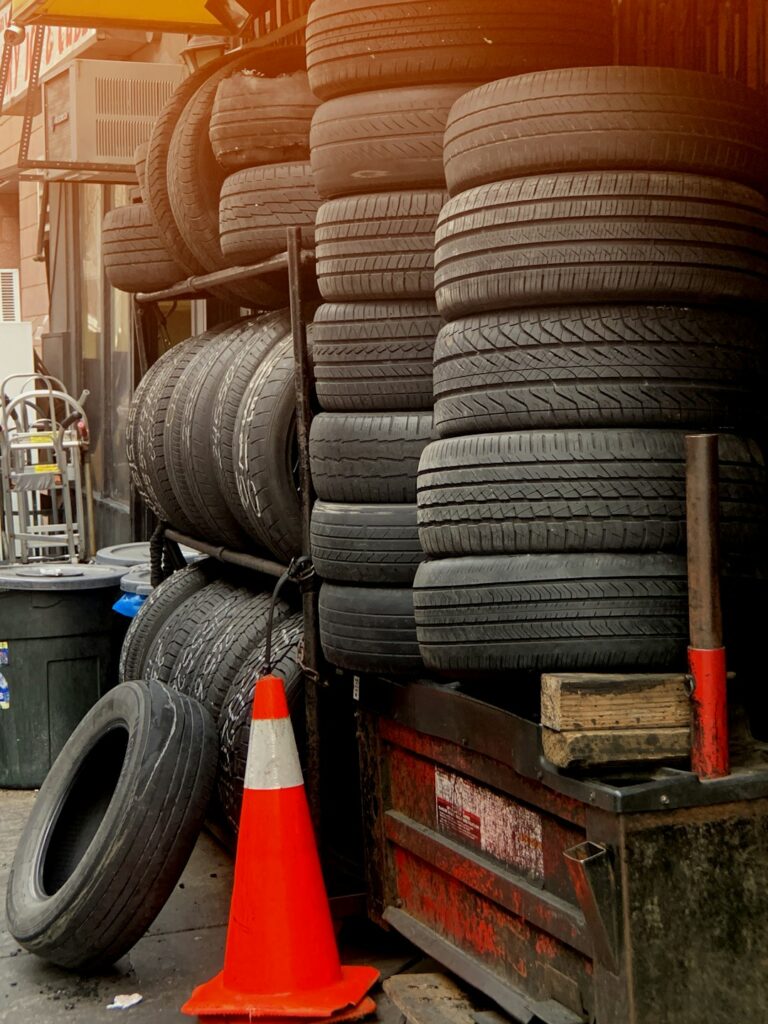
Commercial tire sidewalls contain a compact set of codes that identify a tire’s size, construction, load capacity, speed rating, intended use, and manufacturing details. Learning to read these markings helps vehicle owners, fleet operators, and maintenance staff compare replacements accurately and spot mismatches before they create handling or safety problems.
What information appears on a commercial tire sidewall?
The sidewall usually presents several groups of letters, numbers, and symbols. A typical marking may look like:
225/75R16 115/112Q
Each part communicates something different:
- 225 is the tire’s section width in millimeters.
- 75 is the aspect ratio, meaning the sidewall height is 75% of the width.
- R identifies radial construction.
- 16 is the wheel diameter in inches.
- 115/112 are load index numbers for different operating configurations.
- Q is the speed symbol.
A commercial tire may also include markings for position, construction type, maximum load, inflation pressure, traction, temperature resistance, mud-and-snow service, or special applications. The exact arrangement varies by tire type and manufacturer, but the basic reading method remains similar.
How do you read the tire size numbers?
The first number usually represents width. For example, a marking beginning with 225 indicates a tire approximately 225 millimeters wide from sidewall to sidewall when mounted on the recommended rim.
The second number is the aspect ratio. In 225/75, the sidewall height is 75% of 225 millimeters. A lower aspect ratio generally means a shorter sidewall, while a higher ratio indicates a taller sidewall.
The letter R means radial construction, which is standard on most modern commercial vehicles. Radial tires use internal cords arranged across the tire and strengthened by belts beneath the tread.
The final number in this group is the rim diameter. A 16 means the tire fits a 16-inch wheel. This measurement must match the wheel exactly. A tire with the correct width but the wrong rim diameter cannot be safely mounted on that wheel.
Some commercial tires use different sizing systems. A marking such as 7.50R16 is a numeric size rather than a metric format. The first number refers approximately to tire width in inches, followed by radial construction and rim diameter. Light truck tires may also use markings such as LT235/85R16, where LT indicates light-truck application.
What does the load index mean?
The load index is a code that corresponds to a maximum load capacity under specified conditions. It is not the same as the number of pounds printed elsewhere on the sidewall.
For example, a tire marked 115/112 may have two load index values because it is designed for use in different configurations, such as single-wheel and dual-wheel applications. The actual capacity for each index must be checked against a load-index table supplied by the tire manufacturer or service information.
Commercial vehicles often carry uneven loads. A delivery van may be lightly loaded in the morning and heavily loaded later in the day. A work truck may also place more weight on one axle than another. Tire selection should therefore be based on the vehicle’s axle ratings and expected operating load, not simply on the tire’s physical appearance.
The tire’s sidewall may also state a maximum load in pounds or kilograms. That figure is useful, but it must be considered together with the required inflation pressure and the vehicle manufacturer’s axle limits.
What do the letters after the size indicate?
The speed symbol identifies the maximum speed associated with the tire’s rated load and test conditions. A symbol such as Q, R, S, or T corresponds to a specific speed category.
For commercial vehicles, speed rating is only one part of suitability. A tire with an adequate speed symbol may still be inappropriate if it lacks sufficient load capacity, has the wrong construction, or is not designed for the vehicle’s service conditions.
Some sidewalls include letters before or after the size:
- LT generally indicates a light-truck tire.
- C may identify a commercial or cargo-oriented tire in certain sizing systems.
- ST is commonly associated with special trailer tires.
- D can identify diagonal or bias construction in some markings.
- F may identify a front-axle position on certain commercial tire systems.
- R or D in a position code can refer to intended axle placement, depending on the manufacturer.
Position markings should not be interpreted in isolation. A tire designed for a steering axle may have different tread and casing characteristics from one intended for a drive or trailer axle.
What are the DOT numbers and date codes?
A sidewall may include a DOT marking followed by a series of letters and numbers. This identifies information connected with the tire’s production and certification records.
The final four digits of the full DOT code generally show the week and year of manufacture. For example, 2525 indicates the 25th week of 2025. The date code may appear on only one sidewall, so it might not be visible from the outside when the tire is mounted.
Age matters because rubber compounds and internal materials change over time, even when tread remains. Storage conditions, exposure to sunlight, underinflation, heat, and long periods of inactivity can accelerate deterioration. Cracking between tread blocks, around the bead, or along the sidewall deserves attention regardless of remaining tread depth.
In Rochester, seasonal temperature changes and winter road conditions can add stress to tires. Cold weather lowers air pressure, while heavy loads and rough pavement increase heat and flexing. Checking both condition and age is more useful than judging a tire by tread depth alone.

What do M+S, 3PMSF, and other symbols mean?
A sidewall may display M+S, meaning mud and snow service. This marking indicates a tread pattern intended to provide better performance than a basic highway pattern in some light mud or snow conditions. It does not necessarily mean the tire has passed a severe-snow performance test.
The three-peak mountain snowflake symbol, often called 3PMSF, indicates that the tire met a defined winter traction performance test. It provides more specific information about severe-snow capability than M+S alone.
Other markings may include:
- TL, meaning tubeless.
- TT, meaning tube-type.
- XL or Extra Load, indicating a higher load capacity than a standard version of the same size when properly inflated.
- Regroovable, indicating that the casing may be designed for authorized tread regrooving under specified conditions.
- Retreadable, indicating that the casing may be suitable for retreading, although suitability must be inspected rather than assumed.
These symbols describe design or testing characteristics. They do not replace checking the vehicle’s operating requirements.
How can sidewall markings prevent a wrong replacement?
The replacement tire should match the vehicle’s required size, load range, load index, construction, and intended axle position. Using a tire that physically fits the wheel does not guarantee that it is appropriate for the vehicle.
Before replacing a commercial tire, compare the sidewall with:
- The vehicle placard or owner’s manual.
- The axle and gross vehicle weight ratings.
- The existing tire size and load information.
- Required inflation pressures.
- Whether the vehicle uses single or dual wheels.
- The tire’s intended steering, drive, or trailer position.
- Seasonal and route conditions, including snow, frequent stops, heavy cargo, or extended highway travel.
A common misconception is that a higher load rating automatically makes any tire a suitable upgrade. Changing tire specifications can affect clearance, gearing, handling, wheel compatibility, and pressure requirements. A different size or load range should be evaluated against the vehicle’s complete specifications.
What should be checked besides the printed markings?
Sidewall codes identify the tire, but they do not reveal every condition that affects safety. Inspect for uneven wear, exposed cords, bulges, cuts, embedded objects, bead damage, and air loss. Check pressure with a reliable gauge when the tires are cold, because pressure rises as tires warm during operation.
Dual tires require additional attention. The pair should be properly matched for size and inflation, and objects caught between the tires can create heat and damage. Uneven pressure in a dual assembly can shift the load onto one tire.
If a sidewall marking is damaged, incomplete, or difficult to interpret, the tire should not be identified by guesswork. The full marking, including the DOT date code and any load-range information, can be compared with reliable manufacturer documentation before a replacement decision is made.