

 See My Latest Article on HelloNation
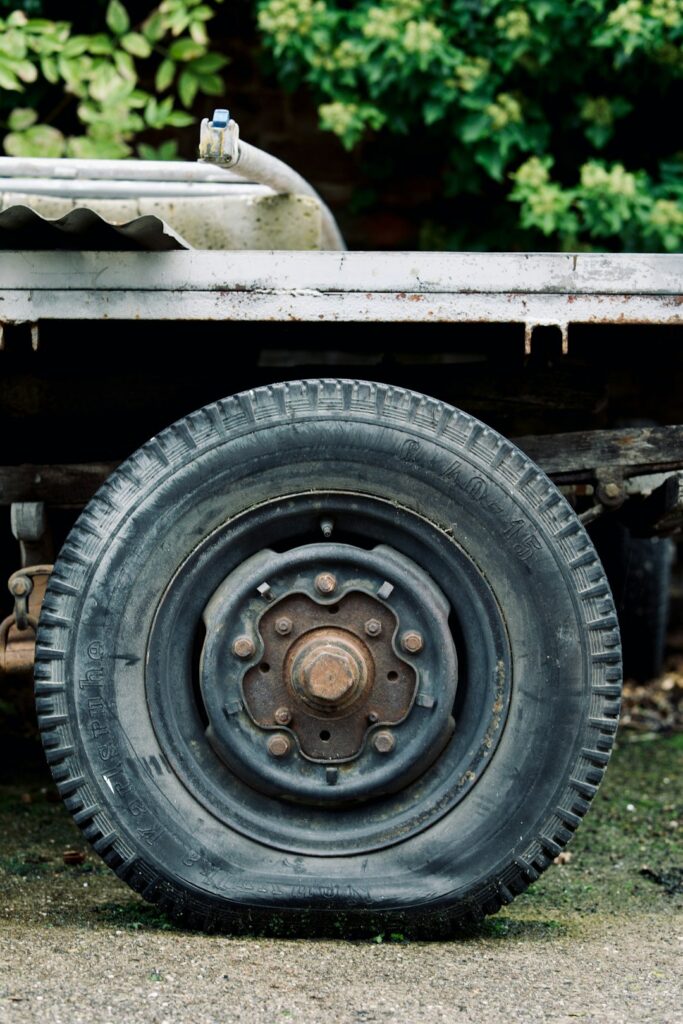
What Are the Early Warning Signs That Commercial Tires Are Wearing Out?
Tires used for commercial vehicles in Rochester, NY, often face challenging road surfaces, seasonal weather extremes, and heavy loads. Common early warning signs of tire wear include shallow tread, visible cracks, bulges, and vibrations while driving. These issues signal that the tire’s grip and structural integrity may be compromised.
Drivers and fleet owners typically spot the following:
- Tread visibly below safe depth (generally 4/32" for steer tires and 2/32" for drive tires)
- Cracks around the sidewall or between treads, which may result from repeated freeze-thaw cycles common in upstate winters
- Bulges or blisters caused by impact or underlying damage to the tire’s internal components
- Vibrations or pulling to one side, which can hint at uneven wear or internal weakness
If ignored, these problems increase the risk of blowouts, poor traction—especially hazardous on icy or wet streets—and reduced control.
How Does Tread Depth Affect Safety in Local Driving Conditions?
Proper tread depth is essential for safe year-round travel across the region’s varied surfaces. In this area, where slush, snow, salt, and potholes are routine, worn treads dramatically decrease traction and increase stopping distances.
A quick “penny test” is sometimes used, but for commercial tires, using a tread depth gauge provides more accurate results. Local regulations require a minimum tread depth, but practical safety often means erring on the side of caution, especially before winter or mud season. Worn treads can hydroplane easily on spring puddles or lose grip on loose gravel frequently scattered after snowmelt. Failing to replace tires at the right depth often leads to difficult maneuvers and riskier braking during the city's freeze-thaw cycles.
Are Cracks and Bulges in Tires a Serious Concern?
Any visible cracking or bulging on a tire signals that the rubber has been compromised, either by age, repeated stress, UV exposure, or rough encounters with curbs and potholes. In the Rochester area, regular freeze-thaw fluctuations and salted roads can speed up the deterioration of the tire’s rubber compounds.
Cracks can worsen quickly, especially in low temperatures. Bulges usually indicate that air has slipped through layers of the tire, a situation that can cause a blowout under load—especially dangerous for commercial vehicles during busy hours. When such issues are observed, it often means the tire is beyond safe use and must be replaced to avoid sudden failure.
Why Does Uneven Wear Happen and What Does It Signal?
Uneven tire wear can be a sign of other underlying vehicular or maintenance issues such as misalignment, suspension problems, or improper inflation—common outcomes from navigating rough local streets, pothole impacts, and carrying heavy cargo.
Locally, roads can quickly go from smooth to rutted, stressing tires on certain edges. Common causes and patterns include:
- Shoulder wear from under-inflation or frequent tight turns
- Center wear from over-inflation, especially if trucks are frequently unloaded
- Cupping or scalloping from worn suspension parts
Spotting uneven wear early allows for not only timely tire replacement but also troubleshooting the cause to prevent ongoing damage or unnecessary costs. A routine visual check, especially before and after winter, helps reduce surprises.
Can Seasonal Changes in Rochester, NY Accelerate Tire Aging?
Yes, local temperature swings, exposure to road salt, and frequent freeze-thaw cycles all contribute to faster aging of commercial tires. In Rochester, vehicles regularly transition from hot, sunbaked pavement in the summer to icy, salted streets in the winter. Temperature changes harden and crack rubber, while salt contributes to corrosion inside and out.

Even tires with adequate tread depth may be weakened after several harsh winters. Telltale signs are deepening sidewall cracks, fading, and flaking rubber. If a tire is older than six years or has spent several full winters in service, it’s wise to make a careful inspection part of seasonal maintenance routines.
Are There Less Obvious Signs That Tires Should Be Replaced?
Not all issues are visible at a glance. Sometimes, tires are past their best before there’s any obvious damage. Pay attention to:
- Increasing frequency of air pressure loss
- Noticeable decrease in fuel efficiency across the fleet
- Tires making louder than normal road noise or causing vibrations
- Confirming the tire’s age by checking the DOT code—most manufacturers caution against using tires past a decade, regardless of tread
These subtle warning signals can indicate the rubber has hardened or internal belts have begun to separate, even when the tire looks usable.
How Often Should Local Commercial Tires Be Replaced?
There is no one-size-fits-all mileage or age due to varying commercial uses and the area’s road conditions. However, most commercial tires in the region last between 25,000 and 50,000 miles, but this can decrease on delivery routes with frequent stops and rough terrain.
Regular inspections—at least once per season or every 10,000 miles—help catch early warning signs. Consider replacing sooner if the vehicle routinely travels loaded, is exposed to construction sites, or regularly operates in the toughest winter months.
What Are Common Misconceptions About Commercial Tire Replacement?
Some local vehicle owners believe tires are serviceable until they fail entirely or that retreading always extends the life of every tire. However, tires that appear acceptable can still have hidden damage from impacts or extended exposure to UV, chemicals, and salt.
Another misconception is that “all tires wear out at the same rate.” In reality, drive and steer tires, or inner and outer dual tires, often face very different loads and require independent assessment.