

 See My Latest Article on HelloNation
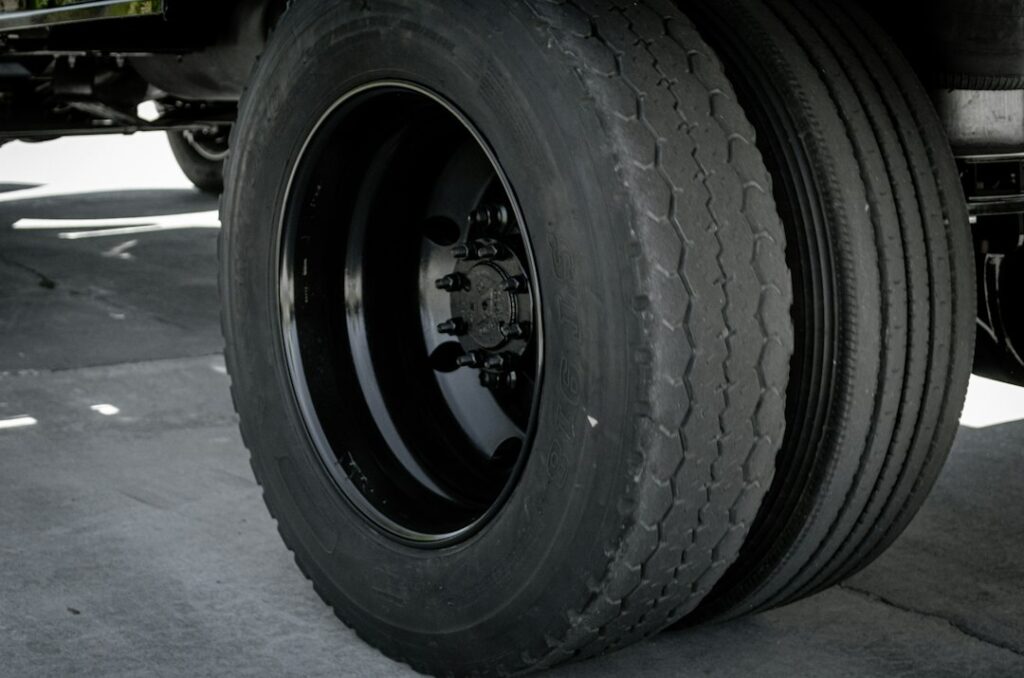
Commercial tire load ratings describe how much weight a tire can support under specific conditions, including inflation pressure, tire position, and whether it is used alone or in a dual-tire arrangement. For businesses, contractors, farms, delivery operators, and property owners in Rochester, NY, understanding these markings helps prevent overloaded tires, uneven wear, handling problems, and avoidable roadside failures.
What does a commercial tire load rating mean?
A load rating is the maximum weight a single tire is designed to carry when properly inflated and used as specified by the manufacturer. It applies to the tire itself, not automatically to the entire vehicle.
For example, a tire may be marked with a maximum load of 3,000 pounds at a stated cold inflation pressure. That does not mean a two-axle truck can safely carry 12,000 pounds. The vehicle may have lower limits based on its axles, suspension, frame, wheels, brakes, or manufacturer-rated gross vehicle weight.
The tire rating is only one part of the overall load calculation. The vehicle’s certified axle ratings and maximum loaded weight must also be respected.
Where can the load rating be found?
The most useful information is usually molded into the tire sidewall and printed on the vehicle’s certification label.
A commercial tire sidewall may show:
- Tire size
- Load index or maximum load
- Speed symbol
- Maximum cold inflation pressure
- Whether the tire is intended for single or dual application
- Construction details, such as radial design
- Position or service markings on some commercial truck tires
A service description such as “154/150 L” contains two load indexes. The first generally applies when the tire is used in a single-tire position. The second applies when the tire is used in a dual-tire position. The letter indicates the tire’s speed category under specified conditions.
Not every commercial tire uses the same marking style. Some tires display a numerical load index, while others emphasize maximum load in pounds and kilograms. The complete sidewall marking should be read rather than relying on one number alone.
What is a load index?
A load index is a standardized number that corresponds to a specific weight capacity. It is not the weight itself.
A higher load index generally indicates greater carrying capacity, but the actual capacity must be checked against the applicable load-and-inflation table. The same tire size can sometimes be available with different load ratings, constructions, or intended applications.
For instance, two tires may appear to have similar dimensions but differ in casing strength, pressure capability, or single-versus-dual service. Their load capacities may therefore be different.
The load index should be compared with the vehicle manufacturer’s required tire size and capacity, not selected simply because the number is higher.
Why does inflation pressure affect capacity?
Load capacity depends heavily on cold inflation pressure. A tire can carry its rated maximum only at the pressure associated with that rating.
Underinflation reduces the tire’s ability to support weight and increases sidewall flexing, heat buildup, rolling resistance, and tread wear. These effects can become more serious during extended highway travel, heavy hauling, or warm-weather operation.
Overinflation is not a safe substitute for choosing the correct tire. Excess pressure can reduce the tire’s contact patch, produce a harsher ride, increase center tread wear, and make the tire more vulnerable to impact damage.
“Cold” pressure means pressure measured before the vehicle has been driven or after it has been parked long enough for the tires to cool. Pressure should not be reduced from a hot tire simply because the reading is higher.
How should load be divided across axles?
The weight carried by a vehicle is not always distributed evenly. Cargo may shift toward the rear, tools may be concentrated on one side, and mounted equipment can place unusual stress on a single axle or tire position.
The important comparison is the load on each axle and tire position, not only the total vehicle weight. A vehicle can be below its overall weight limit while still overloading the rear axle or one tire.
When estimating a load, consider:
- The vehicle’s empty operating weight
- Passengers and crew
- Fuel and fluids
- Tools and equipment
- Materials, inventory, or waste
- Trailer tongue weight
- Where the cargo is positioned
- Whether the rear tires are used in a dual configuration
Cargo should be secured and distributed as evenly as practical. Heavy objects placed at the far rear of a vehicle can increase rear-axle loading more than their actual weight might suggest.
What is the difference between single and dual tire ratings?
A single tire is used by itself on each side of an axle. A dual setup places two tires together on each side of the axle. Dual tires are common on heavier commercial vehicles because they distribute weight over more tire contact areas.
A tire may have separate ratings for single and dual service. The dual rating is not always exactly half of the single rating because heat dissipation, spacing, load sharing, and operating conditions differ.
Dual tires also require careful maintenance. If one tire is underinflated, mismatched, or significantly worn compared with its partner, the other tire may carry more than its intended share. Differences in diameter can create additional stress and uneven wear.
Does a higher-rated tire increase the vehicle’s legal payload?
No. Installing a tire with a higher load rating does not automatically increase the vehicle’s legal or mechanical carrying capacity.

The practical limit may still be set by:
- Gross vehicle weight rating
- Gross axle weight rating
- Wheel capacity
- Suspension limitations
- Brake capacity
- Frame design
- Trailer or hitch ratings
- Applicable registration or operating requirements
A higher-rated replacement tire can be appropriate when it matches the wheel, clearance, inflation requirements, and vehicle specifications. It should not be treated as permission to exceed the vehicle’s rated weight.
How do Rochester conditions affect tire loading?
Seasonal conditions in Rochester can expose weaknesses in an overloaded or underinflated tire. Cold winter temperatures reduce air pressure, while potholes, patched pavement, road salt, and freeze-thaw damage increase the likelihood of impact-related problems.
A tire that is already carrying too much weight has less reserve for a sharp pavement edge or pothole. Winter cargo, snow equipment, seasonal materials, and towing loads can also change axle weights without making the vehicle appear dramatically different from normal use.
Checking pressure during cold weather is especially important because pressure decreases as temperatures fall. The correct target remains the vehicle manufacturer’s recommended cold pressure unless a documented load-and-inflation procedure specifies otherwise.
What are common signs of a load or inflation problem?
Possible warning signs include:
- Excessive shoulder or center tread wear
- Cracking, bulges, or separations
- A tire that runs noticeably hotter than its partner
- Repeated air loss
- Steering pull or unstable handling
- Frequent damage on the same axle
- Uneven wear between dual tires
- Sidewalls that appear excessively flexed under load
A tire with visible structural damage, exposed cords, a major bulge, or severe heat damage should not continue in service. Load-related damage can be internal even when the tread appears acceptable.
A practical load-rating check
Before hauling a heavy load, compare the vehicle’s required tire size and pressure with the markings on the installed tires. Confirm that each tire’s capacity is sufficient for its position, including any single or dual application.
Then compare the expected axle loads with the vehicle’s axle ratings. Check pressures when the tires are cold, inspect for damage, and consider whether cargo placement will shift weight toward one end or side.
The safest setup is not simply the tire with the largest number on its sidewall. It is a properly matched combination of tire size, load rating, inflation pressure, wheels, axles, suspension, and actual vehicle use.